Get Shrub Pruning
Shrub pruning services help property owners shape, maintain, and remove overgrown or damaged shrubs to improve landscape appearance and health.
If you’re considering shrub pruning for your property, you’ve arrived at the right place to explore your options. Proper pruning can enhance the health and appearance of your shrubs, improve safety by removing overgrown or damaged branches, and support the overall landscape design. Property owners in the area often look into shrub pruning as a practical way to maintain curb appeal and ensure their outdoor spaces remain inviting and well-kept. Keep reading to discover how local contractors can help you achieve your landscaping goals with professional shrub care.
Finding the right service provider for shrub pruning involves comparing local contractors who understand the specific needs of properties in the community. Many property owners seek experienced professionals to help shape their landscapes, prevent potential hazards, and promote healthy growth. By exploring your options, you can connect with trusted local experts who can deliver tailored solutions for your shrub maintenance project. Continue browsing to learn more about how local service providers can support your property’s outdoor improvements.
- Overgrown Shrubs - when existing shrubbery has become unruly or encroaches on pathways and structures.
- Damaged or Diseased Branches - when signs of disease, decay, or storm damage appear on shrub branches.
- Landscape Maintenance - as part of regular yard care to maintain a tidy and healthy garden appearance.
- Plant Health Improvement - to promote better growth and flowering by removing dead or crowded branches.
- Property Aesthetics - when homeowners want to enhance curb appeal through well-maintained shrubbery.
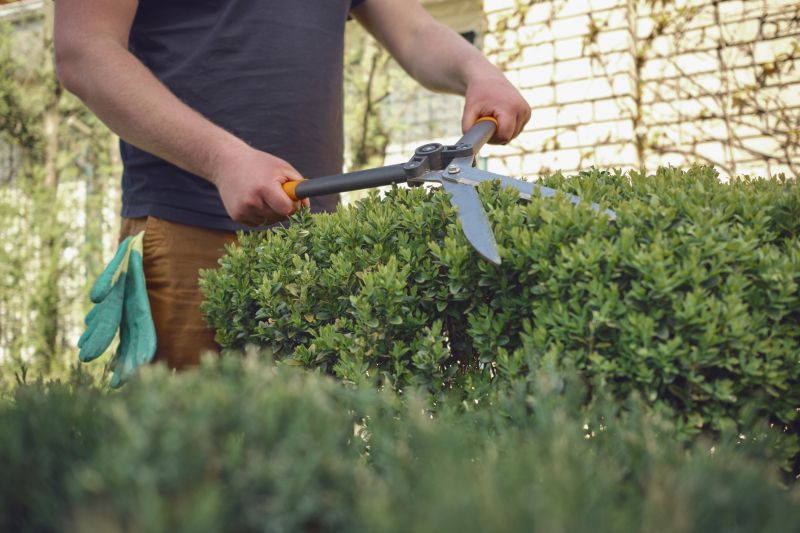

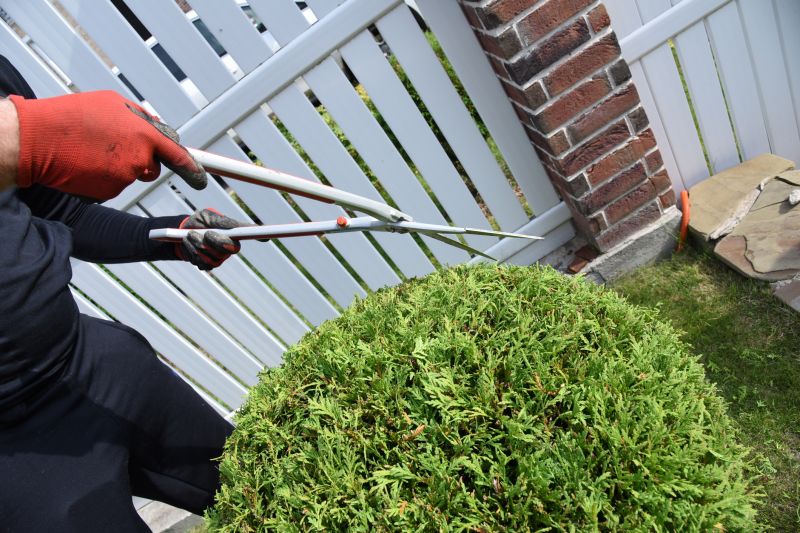
Shrub pruning services involve the careful trimming and shaping of bushes and shrubs to maintain their health and appearance. This process typically includes removing dead or diseased branches, thinning out overgrown areas, and shaping plants to enhance the overall landscape design. Proper pruning encourages healthy growth, prevents pests and diseases, and ensures that shrubs do not become unruly or obstruct views, walkways, or structures on the property. Skilled service providers use the right techniques and tools to prune shrubs appropriately for each plant type and size, promoting long-term vitality.
Many problems can be addressed through shrub pruning, including overgrowth that can block sunlight, create safety hazards, or interfere with other landscaping elements. Overgrown shrubs can become habitats for pests or disease, which pruning can help prevent by removing compromised branches. Additionally, pruning can improve air circulation within dense foliage, reducing the risk of fungal infections. Regular trimming also keeps shrubs looking tidy and well-maintained, which can enhance curb appeal and property value.
Properties of various types and sizes typically benefit from shrub pruning services. Residential homes with front yards, gardens, or backyard landscapes often require periodic pruning to keep plants healthy and visually appealing. Commercial properties, such as office complexes, retail centers, and community parks, also frequently use shrub pruning to maintain a professional and inviting appearance. Even larger estates or properties with extensive landscaping may rely on professional pruning to manage numerous shrub varieties and ensure the landscape remains orderly and attractive.
Homeowners who notice their shrubs becoming overgrown, developing dead or diseased branches, or losing shape may want to consider shrub pruning services. This work is also beneficial when shrubs are obstructing pathways, windows, or sightlines, or if the landscape needs a refresh to improve overall aesthetics. By connecting with local contractors experienced in shrub pruning, property owners can ensure their bushes are properly maintained, promoting healthier growth and a more polished outdoor space.
The overview below groups typical Shrub Pruning projects into broad ranges so you can see how smaller, mid-sized, and larger jobs often compare in your area.
In many markets, a large share of routine jobs stays in the lower and middle ranges, while only a smaller percentage of projects moves into the highest bands when the work is more complex or site conditions are harder than average.
Small Shrub Pruning - typical costs range from $50 to $150 for routine trimming of individual shrubs or small clusters. Many routine jobs fall within this range, especially for well-maintained or smaller plants.
Medium Shrub Pruning - larger or more complex pruning projects usually cost between $150 and $400. These jobs often involve multiple shrubs or more detailed shaping and are common for mid-sized landscapes.
Large or Overgrown Shrubs - pruning larger, overgrown, or heavily neglected shrubs can range from $400 to $1,000 or more. Fewer projects reach this tier, typically involving extensive work or difficult access.
Full Shrub Removal - complete removal of shrubs generally costs between $300 and $2,000, depending on size and location. Larger, more complex removals can exceed this range, especially if multiple plants are involved.
Actual totals will depend on details like access to the work area, the scope of the project, and the materials selected, so use these as general starting points rather than exact figures.
Tree Trimming - involves shaping and maintaining trees, requiring similar pruning techniques and planning skills as shrub pruning.
Hedge Trimming - focuses on shaping and maintaining hedges, which shares tools and precision work with shrub pruning projects.
Landscape Maintenance - includes general plant care and pruning tasks that require knowledge of plant growth and proper trimming methods.
Ornamental Plant Pruning - involves pruning flowering and decorative plants, utilizing similar planning and pruning skills as shrub care.
Garden Bed Clearing - entails removing overgrown vegetation and shaping plants, requiring careful planning and trimming techniques.
Topiary Shaping - involves sculpting plants into specific shapes, demanding precision pruning skills comparable to shrub and hedge trimming.
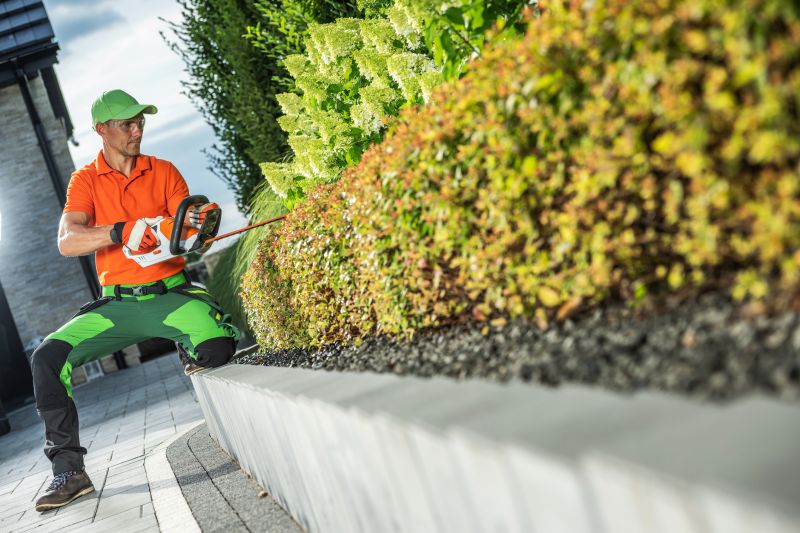
When comparing service providers for shrub pruning, it’s important to consider their experience with similar projects. Homeowners should look for local contractors who have a proven track record of handling shrub pruning tasks comparable in scope and complexity. This can provide insight into their familiarity with different plant types, pruning techniques, and the specific challenges that might arise. Asking for examples of past work or references related to shrub pruning can help gauge their expertise and confidence in managing projects similar to your needs.
Clear and detailed written expectations are essential when evaluating potential contractors. A reputable service provider should be able to offer a comprehensive description of the work to be performed, including the scope of pruning, the methods used, and any cleanup or follow-up services. Having this information in writing helps ensure that both parties are aligned on the project’s goals and reduces the risk of misunderstandings. Homeowners should feel comfortable requesting clarification or additional details to ensure expectations are transparent before any work begins.
Good communication and reputable references are key indicators of a dependable local contractor. Service providers who are responsive and willing to answer questions demonstrate professionalism and a commitment to customer satisfaction. Additionally, seeking references or reviews from previous clients can provide insights into the contractor’s reliability, quality of work, and how well they communicate throughout the project. It’s important to remember that this site introduces homeowners to local options for shrub pruning, rather than performing the work itself, so gathering information about each contractor’s reputation and communication style can help make an informed choice.
Property owners use Shrub Pruning services for practical projects around their homes and businesses. This guide focuses on everyday jobs and straightforward project options.
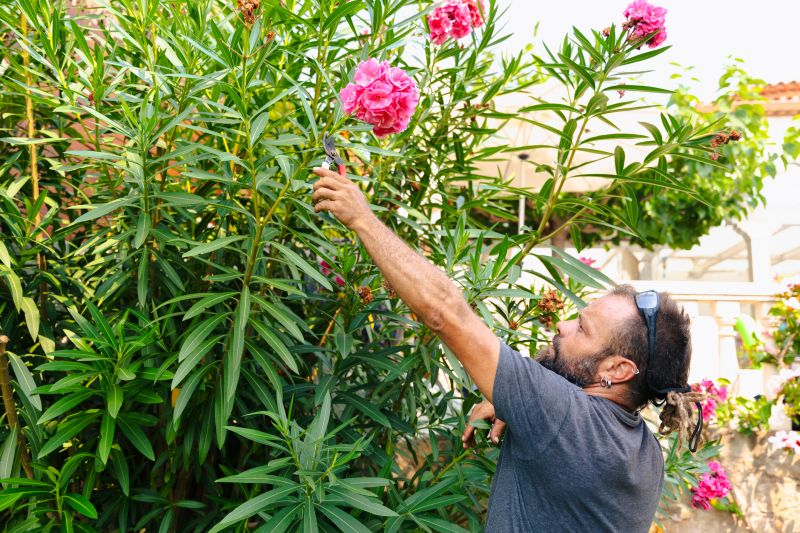
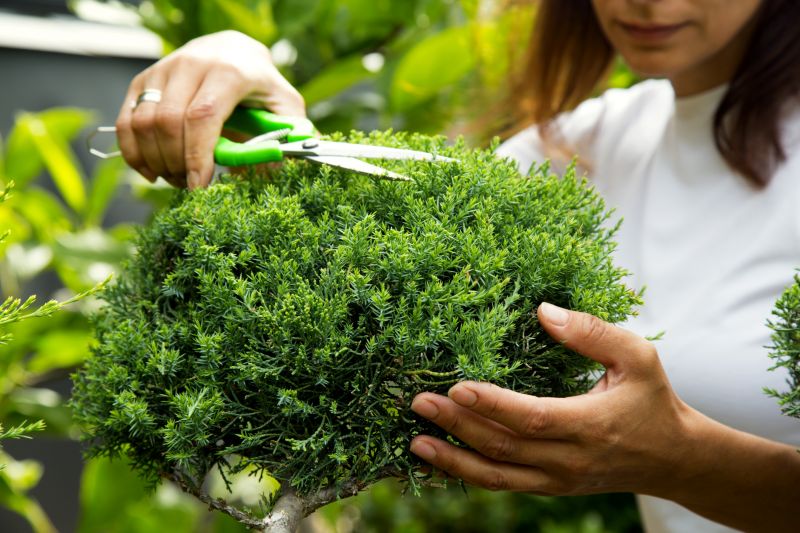
Shrub pruning is a common service requested by property owners looking to maintain the health and appearance of their landscape. Overgrown or unruly shrubs can detract from curb appeal, and regular trimming helps keep plants looking neat and well-shaped. Local contractors can handle routine pruning tasks to ensure shrubs stay in good condition, whether for aesthetic reasons or to prevent them from encroaching on walkways, driveways, or other parts of the property.
In addition to appearance, shrub pruning can also be necessary for safety and plant health. Overgrown branches may pose hazards, especially near pathways or outdoor living areas. Property owners may seek out local service providers to remove dead or damaged branches, promote healthy growth, or prepare plants for seasonal changes. These everyday situations highlight the importance of professional shrub pruning to keep outdoor spaces safe, attractive, and well-maintained.
What is shrub pruning? Shrub pruning involves trimming and shaping bushes to promote healthy growth and improve their appearance.
Why should I consider professional shrub pruning? Professionals can ensure proper techniques are used to maintain shrub health, prevent damage, and achieve desired shapes.
How often should shrubs be pruned? The frequency of pruning depends on the shrub type and growth habits; local contractors can recommend a suitable schedule.
What tools are used for shrub pruning? Common tools include pruning shears, loppers, and saws, which local service providers use to handle various shrub sizes and types.
Can shrub pruning help with plant health? Yes, proper pruning can remove dead or diseased branches, improve air circulation, and encourage vigorous growth.
Health and Growth - Regular shrub pruning helps maintain the health of bushes by removing dead or diseased branches, encouraging new growth.
Safety and Clearance - Trimming overgrown shrubs can prevent branches from obstructing walkways or windows, improving safety and accessibility.
Aesthetic Enhancement - Proper pruning shapes shrubs to enhance curb appeal and create a well-maintained appearance for the property.
Pest and Disease Control - Pruning can reduce pest habitats and improve airflow, helping to prevent infestations and the spread of disease.
If you are thinking about Shrub Pruning for a property, this guide is meant to help you understand the work, the typical project types, and how different options might fit your plans.
When you are ready, you can use the quote form on this page to share a few details about your project. From there, local pros can review the basics and respond with options that match what you have in mind.