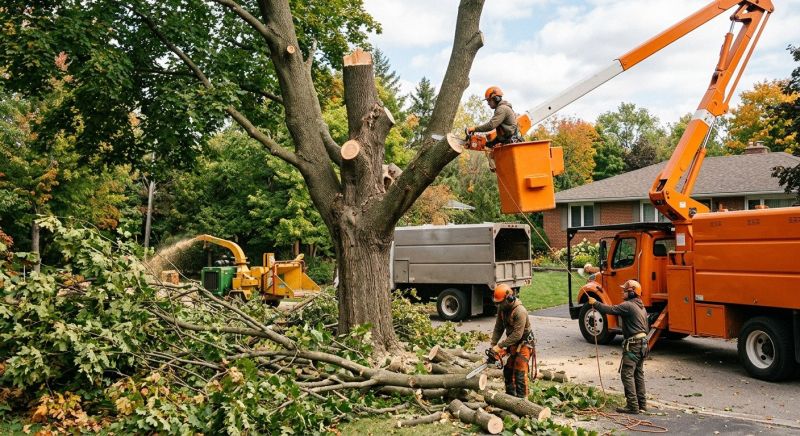
Dogwood Tree Removal in San Jose, CA
Dogwood tree removal services involve the careful and efficient removal of dogwood trees that are no longer suitable for a property or pose safety concerns. These projects typically include removing damaged, diseased, or unwanted trees to improve landscape safety, aesthetics, or to make space for new planting. Homeowners often request this service when a dogwood tree has become a hazard due to structural instability, extensive disease, or storm damage, or when planning renovations that require clearing space.
Before requesting dogwood tree removal, property owners usually want to understand the scope of the work involved, including whether the tree removal will include stump grinding or debris cleanup. It’s also helpful to consider the size and location of the tree, as these factors influence the complexity of the project. Knowing the potential impact on surrounding plants, structures, and utilities can assist in planning the removal process efficiently and safely.
Many property owners in San Jose, CA look into Dogwood Tree Removal for repairs, replacements, upgrades, and appearance-related improvements.
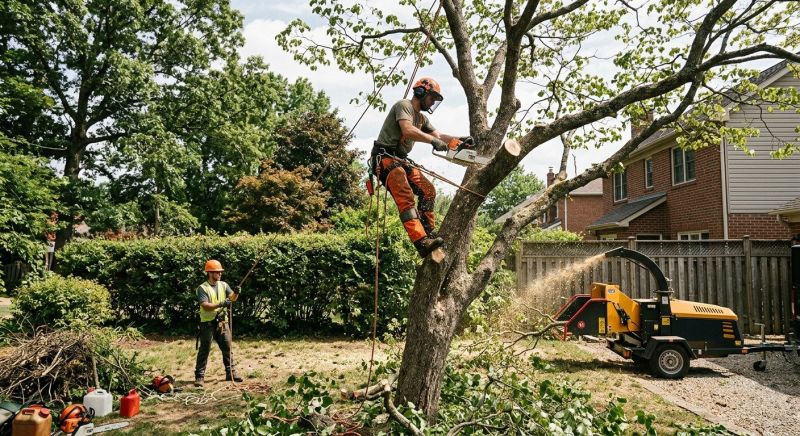
Safeguarding Property With Tree Removal
Removing overgrown or damaged dogwood trees helps prevent property damage and enhances safety.
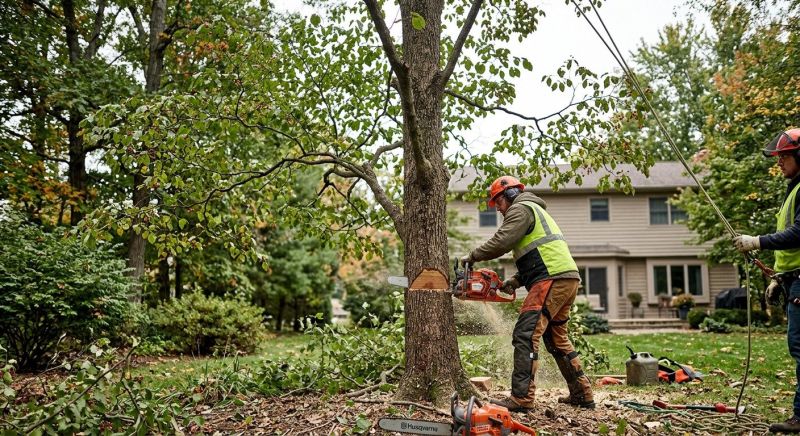
Maintaining Landscape Aesthetics
Proper removal of dogwood trees can improve the overall appearance and health of your yard.
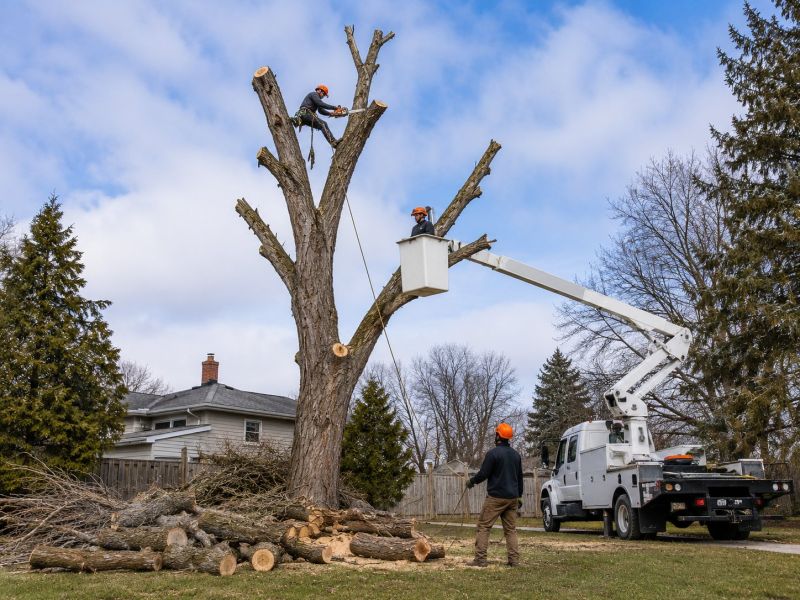
Managing Tree Health And Safety Risks
Removing unhealthy or hazardous dogwood trees reduces the risk of falling branches or tree failure in san jose, ca.
Dogwood Tree Removal in San Jose, CA

Dogwood tree removal services involve the careful and efficient removal of dogwood trees that are no longer suitable for a property or pose safety concerns. These projects typically include removing damaged, diseased, or unwanted trees to improve landscape safety, aesthetics, or to make space for new planting. Homeowners often request this service when a dogwood tree has become a hazard due to structural instability, extensive disease, or storm damage, or when planning renovations that require clearing space.
Before requesting dogwood tree removal, property owners usually want to understand the scope of the work involved, including whether the tree removal will include stump grinding or debris cleanup. It’s also helpful to consider the size and location of the tree, as these factors influence the complexity of the project. Knowing the potential impact on surrounding plants, structures, and utilities can assist in planning the removal process efficiently and safely.
Many property owners in San Jose, CA look into Dogwood Tree Removal for repairs, replacements, upgrades, and appearance-related improvements.
Common Dogwood Tree Removal Jobs
Dogwood Tree Removal - safely removes damaged or diseased trees to protect property and landscape.
Emergency Tree Removal - handles urgent situations where fallen or unstable dogwoods threaten safety.
Selective Tree Removal - targets specific branches or sections to improve tree health and aesthetics.
Stump Removal - eliminates remaining stumps after tree removal for safety and landscaping purposes.
Hazard Tree Removal - removes dogwoods that pose a risk of falling or causing damage during storms.
Complete Tree Removal - removes entire dogwood trees when they are no longer viable or desired on the property.
Dogwood Tree Removal Questions
Why remove a Dogwood tree? Removal may be necessary if the tree is diseased, damaged, or poses a safety risk to the property.
How is a Dogwood tree removed? The process involves carefully cutting and dismantling the tree to prevent damage to surrounding areas and ensure safety.
What should be done after a Dogwood tree removal? The stump can be ground down, and the area can be prepared for new planting or landscaping as desired.
Is professional removal recommended for Dogwood trees? Yes, professional services ensure proper removal and disposal, reducing potential hazards and property damage.
Request Dogwood Tree Removal in San Jose, CA
Use the quote form on this page to share the basics of your project and request more information for the type of work you need.